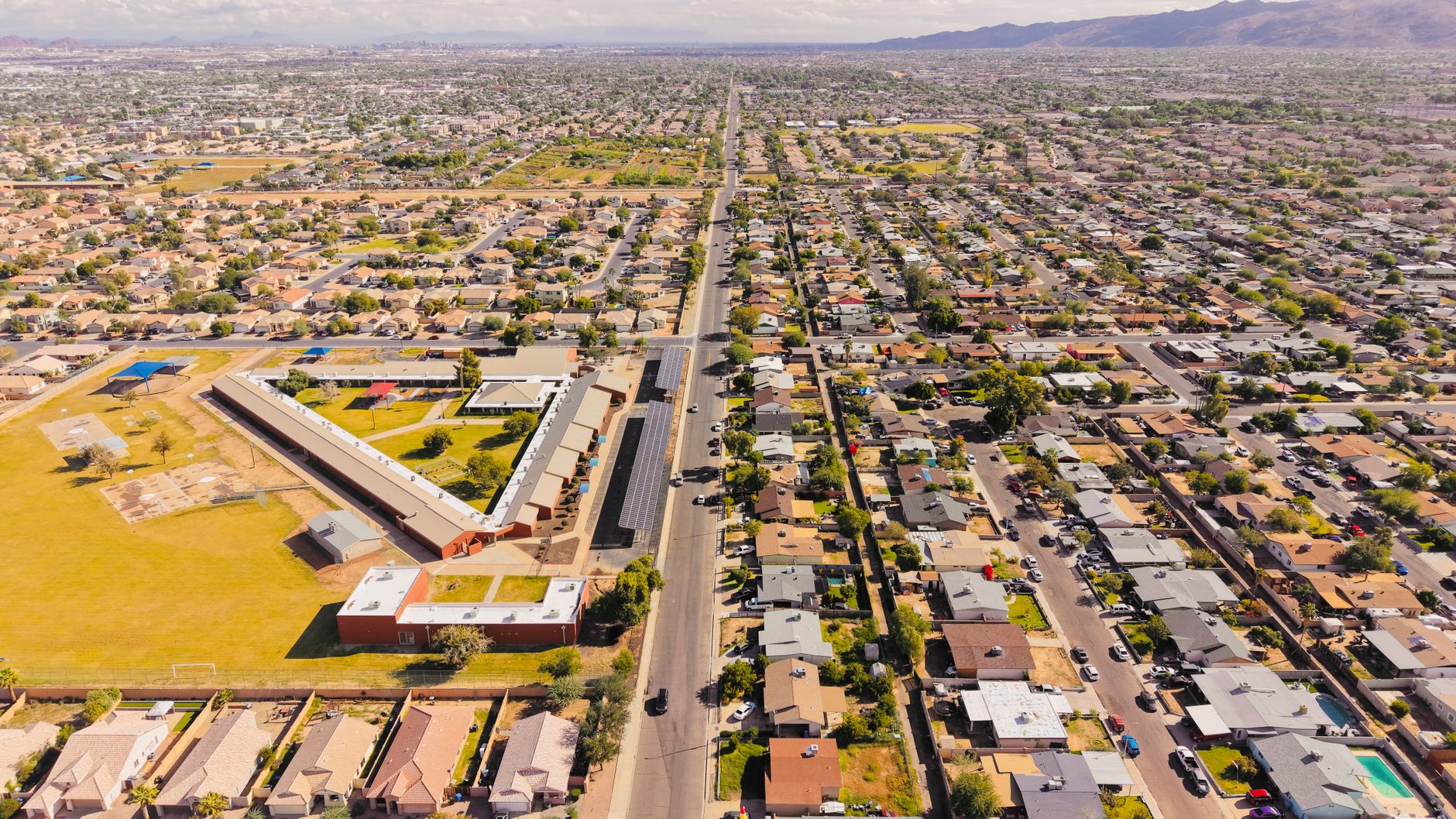
Phoenix Housing: Rise Above Changing Climate Zones!
Imagine a world where your home’s value isn't just determined by its location – but also by how well it’s built to withstand increasingly extreme weather. That future is rapidly approaching, and it’s fundamentally reshaping the real estate market. We're talking about “Phoenix Housing,” not in the literal sense of rising from ashes, but a dramatic shift in how we define and assess property risk based on climate zone redefinitions. This isn’t just an environmental trend; it’s a massive investment opportunity – if you understand it.
Climate Zones Are Changing: A New Reality
For decades, real estate valuation relied heavily on established climate zones – typically USDA plant hardiness zones or basic regional categories like “hot,” “temperate,” and “cold.” These were largely based on historical averages. However, the accelerating pace of climate change is rendering these traditional classifications increasingly inaccurate. Coastal areas are experiencing more frequent and intense flooding. Inland regions are battling devastating wildfires with unprecedented regularity. Mountain communities are facing dramatically altered snowpack – impacting water resources and increasing the risk of landslides.
The USDA’s Plant Hardiness Zone, for instance, focuses almost exclusively on average minimum winter temperatures. It provides little to no insight into a property's vulnerability to extreme heat, drought, or specific weather events. This is becoming a critical oversight. Insurance companies are beginning to recognize this shift, and their premiums are reflecting the escalating risk.
According to a report by CoreLogic in 2023, properties located in areas designated as “high wildfire risk” saw an average of a 17% increase in insurance rates compared to those in lower-risk zones. This isn’t simply about higher costs; it's indicative of a fundamental change in the market’s perception of value.
How Are Zones Being Redefined?
Several organizations are now developing more sophisticated climate risk assessments. The National Risk Reduction Center (NRRC) is creating a detailed, nationwide map that integrates various climate hazard data – including projected sea level rise, wildfire danger, flood frequency, and extreme heat days – to create dynamic “Climate Vulnerability Zones.” These zones aren’t just based on temperature; they factor in multiple hazards and their potential impact.
Furthermore, private companies like Tomorrow.io are offering granular climate risk data at the hyperlocal level. They use a combination of satellite imagery, weather models, and ground-based sensors to provide real-time insights into microclimates – predicting everything from rainfall intensity to the likelihood of extreme heat events within specific neighborhoods.
"We’re moving beyond simply looking at historical averages," explains Dr. Emily Carter, lead climate scientist for Tomorrow.io. “The past is no longer a reliable predictor of future risk. We need to understand how quickly conditions are changing and what the potential impacts are in the short and long term."
Investing in Climate Resilient Properties
So, what does this mean for investors? It presents a significant opportunity to identify properties that are well-positioned to withstand future climate challenges. Here's how you can approach it:
- Research Local Climate Risk Data: Don’t rely solely on traditional climate zone designations. Utilize resources like the NRRC map, Tomorrow.io, and FEMA flood maps to assess a property’s specific vulnerability to various hazards.
- Focus on Defensive Locations: Properties in areas designated as “low risk” by these new assessments are likely to be more stable investments than those in high-risk zones. This doesn't mean avoiding all high-risk areas entirely, but it does suggest a strategic shift towards resilience.
- Evaluate Building Characteristics: Consider the building’s design and construction materials. Properties built with fire-resistant roofing, hurricane shutters, floodproofing measures, and energy-efficient systems are inherently more resilient – and therefore, more valuable in a changing climate.
- Look for Retrofitting Potential: Properties that have been recently upgraded to meet modern building codes or incorporate climate resilience features (e.g., rainwater harvesting systems, solar panels) will command a premium.
- Analyze Insurance Costs: Tracking insurance premiums is a crucial indicator of risk. A rapidly increasing insurance rate should signal a potential problem – and an opportunity for investors to reassess their strategy.
For example, consider the impact of rising sea levels on coastal properties. While some areas may experience gradual inundation, others will face more sudden and catastrophic flooding events. Properties built on higher ground with robust flood defenses are far less vulnerable than those located in low-lying areas.
Considerations and Caveats
It’s important to acknowledge that climate risk assessments are still evolving, and there's inherent uncertainty involved. Models are constantly being refined as new data becomes available. Furthermore, local regulations and building codes can significantly impact a property's resilience – it’s crucial to understand zoning laws and any specific requirements related to climate adaptation.
Another factor is the potential for "stranded assets." As climate risks become more pronounced, some properties may simply become uninsurable or too difficult/expensive to maintain. Long-term planning and due diligence are absolutely essential.
"The future of real estate isn’t just about location; it's about resilience," states Sarah Johnson, a senior analyst at RealAssets Group. “Investors need to think proactively about how climate change will impact their investments and make decisions accordingly.”
A recent study by MSCI found that properties with low carbon footprints were consistently outperforming those with high emissions – hinting at the growing importance of sustainability in investment strategies as climate risks become more tangible.
Key Takeaway
The shift to climate zone redefinitions represents a fundamental change in how we understand and assess property risk. By embracing this new reality, conducting thorough research into local climate vulnerabilities, and prioritizing resilient investments, you can not only protect your portfolio but also capitalize on the significant opportunities that are emerging within the evolving real estate market. Don’t wait – start researching today.
Keep Reading


Get Smarter About Money
Join thousands of investors getting daily insights delivered to their inbox.