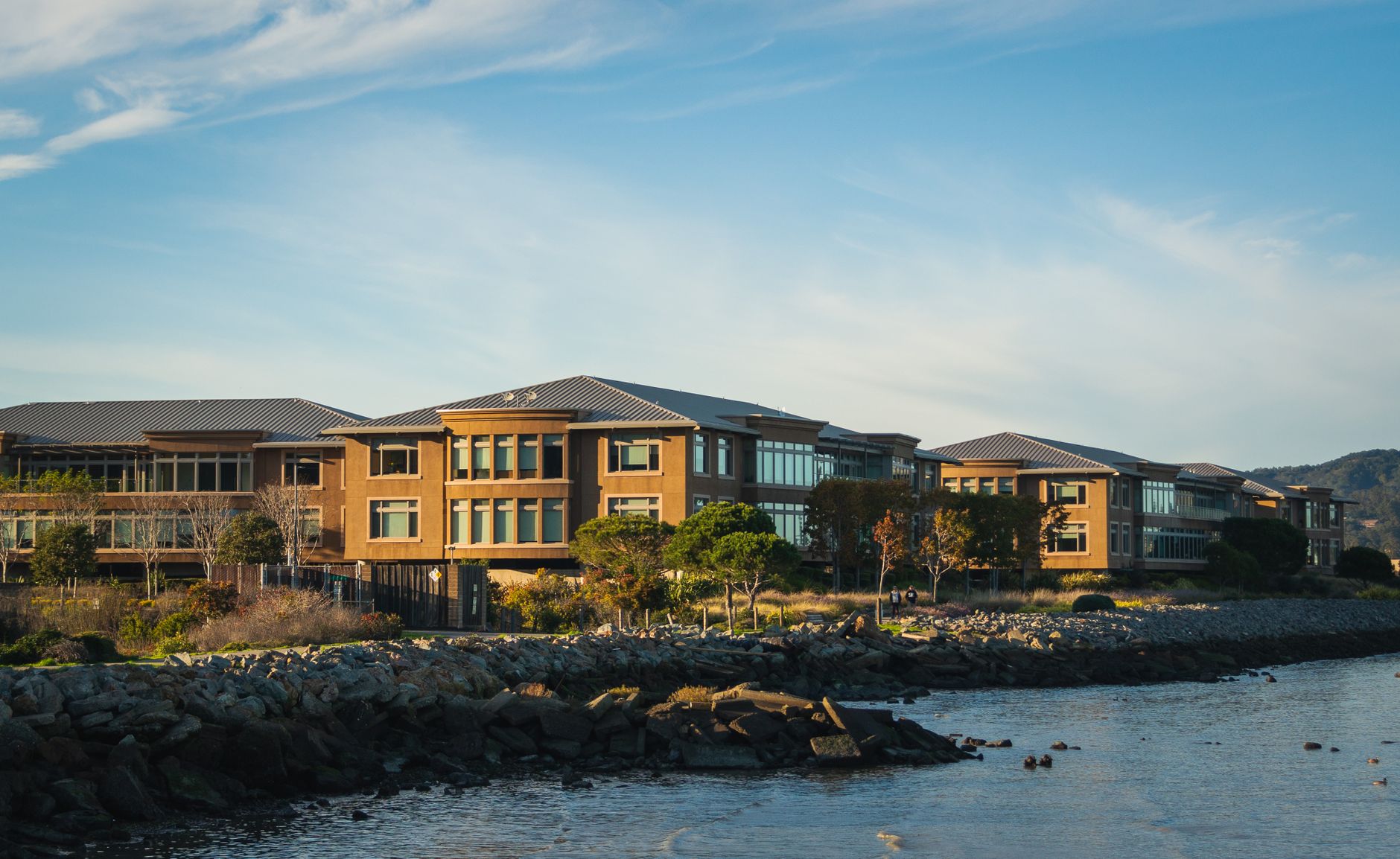
Waterfront Wealth at Risk: Climate Zones & Property Value Analysis
Imagine standing on a pristine beach, the waves gently lapping at your feet. The sun is shining, and you’re contemplating the incredible investment opportunity before you – waterfront property. For generations, coastal real estate has been synonymous with wealth and stability. But increasingly, that equation is being challenged by a rapidly changing world: climate change.
The Rising Stakes of Waterfront Investment
Historically, waterfront property has appreciated at rates significantly higher than inland properties. This premium – often 10% to 30%, and sometimes even more in desirable locations – reflects factors like scenic views, recreational opportunities (boating, fishing, swimming), and limited land availability. However, the escalating impacts of climate change are introducing a new layer of complexity, creating what experts are increasingly calling “climate change zones” and fundamentally altering property values. It’s no longer enough to simply look at location; you now need to understand how that location will be affected by rising sea levels, increased storm intensity, and coastal erosion.
Understanding Climate Change Zones
Scientists are utilizing sophisticated models to predict future climate scenarios. These projections have led to the identification of various “climate change zones,” each with distinct risks and potential impacts on property values. We can broadly categorize them as follows:
- High-Risk Zones: Areas predicted to experience significant sea level rise (more than 1 meter by 2100), frequent, intense storm surges, and substantial coastal erosion. These areas – often including parts of Florida’s coastline, the Chesapeake Bay region, and low-lying areas in Louisiana – are facing some of the most dramatic potential impacts. Property values in these zones could experience significant declines - potentially 40% to 80% or more depending on the severity of the projections and local adaptation efforts.
- Moderate-Risk Zones: Locations with projected sea level rise between 0.5 and 1 meter, combined with increased storm frequency but less extreme surges. These areas – including parts of North Carolina’s Outer Banks, coastal Virginia, and sections of California – may see more gradual declines (around 10% to 30%) over time, but the risk remains substantial.
- Low-Risk Zones: Regions expected to experience minimal sea level rise or no significant changes in storm patterns. These areas are generally considered more stable from a climate change perspective – though even here, increased flooding during extreme rain events is becoming increasingly common. Property values may see only minor fluctuations (under 10%).
It's crucial to remember that these are *projections*. The exact impact will depend on numerous factors, including the pace of climate change, local adaptation measures (sea walls, beach nourishment), and future regulatory changes.
Assessing the Risks: Key Metrics
Here’s a breakdown of metrics to consider when evaluating waterfront property in light of climate risk:
- Elevation Above Sea Level: This is arguably the most critical factor. Properties closer to sea level are inherently more vulnerable. Aim for properties at least 10 feet above current high tide lines, and ideally much higher – 20-30 feet or more – if you're considering a location with significant climate risk projections.
- Flood Zone Designation: FEMA’s flood maps provide valuable information about potential flooding risks. However, these maps are constantly being updated as new data becomes available. Pay close attention to the “Special Flood Hazard Area” designation and consider properties in high-risk zones even if they aren't officially designated as flood zones.
- Historical Storm Surge Data: Research past storm events – hurricanes, nor’easters – and analyze their impact on nearby properties. Areas that have experienced significant damage from previous storms are likely to be more vulnerable in the future.
- Coastal Erosion Rates: Coastal erosion can undermine property foundations and reduce land area. Consult local geological surveys and historical records to assess erosion rates in your target location.
- Insurance Costs: Rising flood insurance premiums, driven by increased risk, are a significant indicator of climate change impacts. Currently, the average annual cost for flood insurance on a coastal home can range from $800 to $2,500 – and this is only expected to increase substantially in high-risk areas.
“The biggest mistake investors make is focusing solely on price trends without considering long-term risk factors.” - Dr. Sarah Miller, Coastal Resilience Economist at the University of California, Berkeley.
Adaptation Strategies and Their Impact
Local communities are implementing various adaptation strategies to mitigate climate change risks. These include building seawalls, restoring coastal wetlands (which act as natural buffers), and enacting stricter building codes in vulnerable areas. The success of these efforts will directly impact property values. For example, a well-maintained barrier island with extensive wetland restoration could see increased demand and higher prices compared to an area with no adaptation measures.
However, adaptation isn’t always effective or affordable. Limited funding, political opposition, or the sheer scale of the problem can hinder efforts, potentially leading to continued property value declines in vulnerable areas.
Practical Investment Advice
Here's what smart investors are doing:
- Start with Thorough Research: Don’t rush into a purchase. Invest significant time and resources into understanding the specific climate risks associated with your target property.
- Consider Geographic Diversification: Don’t put all your eggs in one basket. Spread your investments across different coastal regions with varying levels of risk.
- Focus on Properties With Strong Foundation Stability: Solid, deep foundations are crucial for resisting erosion and storm surges.
- Factor in Future Costs: Account for potential insurance premiums, maintenance costs (e.g., sea wall repairs), and the possibility of property value declines. A conservative estimate is essential.
- Explore Alternative Investments: Consider investing in companies involved in climate resilience technologies – seawall construction, wetland restoration, flood defense systems - as these sectors are likely to benefit from increased demand driven by coastal adaptation needs.
Investing in waterfront property remains an attractive proposition, but it demands a new level of scrutiny and understanding. Climate change is not just an environmental concern; it's fundamentally reshaping the real estate market.
Key Takeaway
Ultimately, successful waterfront investing now requires a proactive approach – prioritizing location analysis that incorporates climate risk projections, carefully assessing property characteristics, and understanding the potential impact of adaptation strategies. Ignoring these factors could lead to significant financial losses.
Keep Reading


Get Smarter About Money
Join thousands of investors getting daily insights delivered to their inbox.