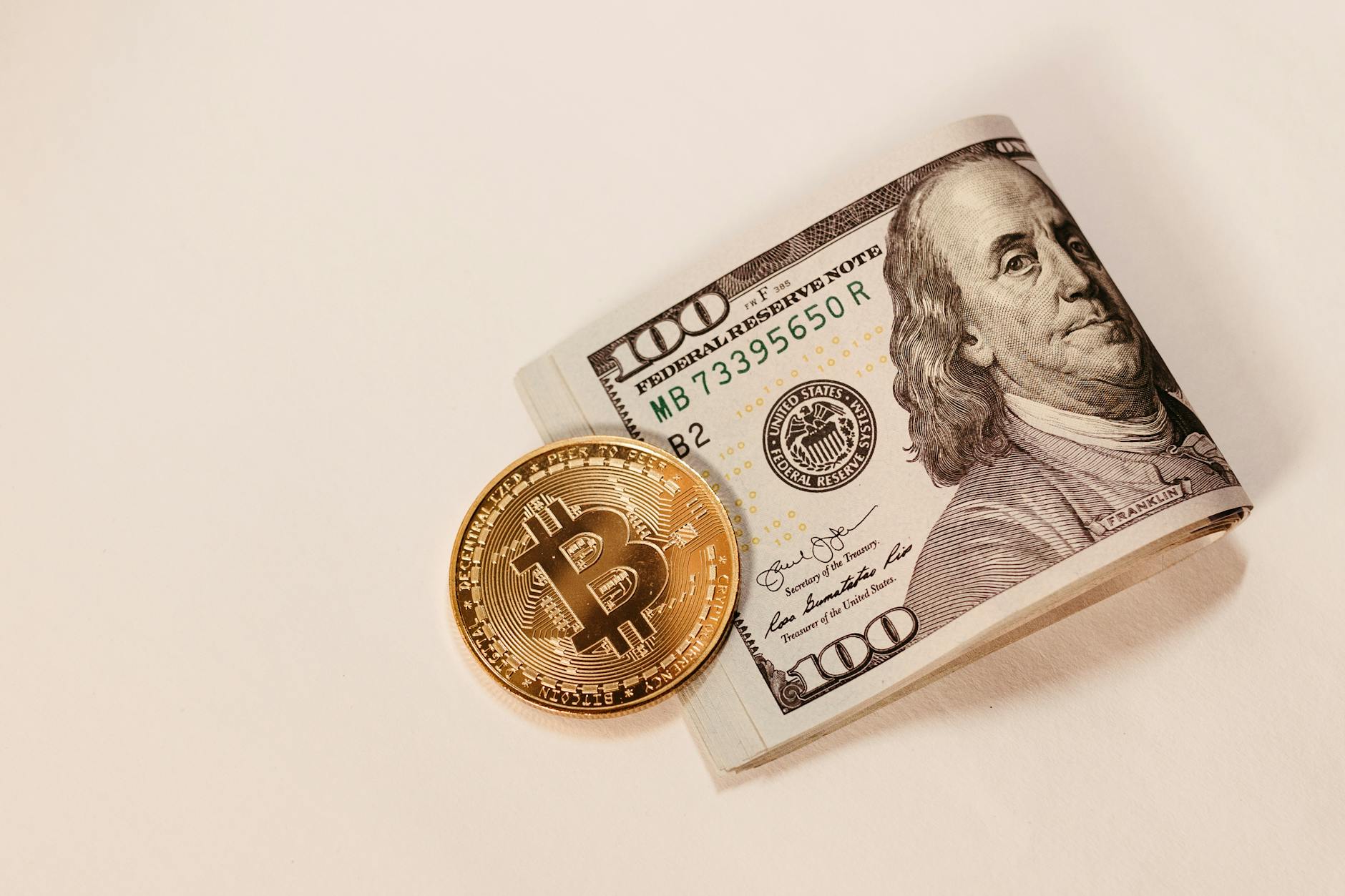
Bitcoin Halving 2027: Inflation's Secret Weapon?
Imagine a world where a precious resource, once incredibly scarce, suddenly becomes significantly more abundant. Sounds like a scarcity play, right? But what if that resource was digital, tracked on a decentralized ledger, and its supply was deliberately reduced? That’s essentially what’s happening with Bitcoin, and the upcoming halving event in 2024 has investors pondering a potentially significant long-term strategy: Could it be a surprisingly effective inflation play for 2027?
Understanding the Bitcoin Halving
Bitcoin’s halving event occurs roughly every four years, as defined by its protocol. During a halving, the reward miners receive for validating new blocks on the Bitcoin blockchain is cut in half. This is a core mechanism built into Bitcoin’s design to control its supply. Bitcoin was initially designed with a maximum supply limit of 21 million coins. The halving mechanism dramatically slows down the rate at which new coins are created, creating artificial scarcity.
Historically, halvings have been followed by significant price increases for Bitcoin. This isn’t necessarily a guarantee of future performance, but the historical correlation is undeniable. The first halving in 2012 saw a price increase of over 600% within three years. The second halving in 2016 resulted in a nearly 1,000% increase over the subsequent five years. The most recent halving in 2020 saw a more moderate, but still substantial, rise of around 68% over the next four years. The driving force behind these movements is simple supply and demand. As the rate of new Bitcoin entering the market decreases, while demand remains constant or increases, the price per coin tends to rise.
Inflation and Bitcoin: A Potential Connection
Now, let's talk about inflation. Inflation, the sustained increase in the general price level of goods and services, is a major concern for investors globally. Central banks, like the Federal Reserve in the United States, attempt to manage inflation through interest rate adjustments. However, these measures often have a delayed effect and can sometimes lead to economic slowdowns. Traditional inflation hedges, such as gold and Treasury Inflation-Protected Securities (TIPS), can be expensive and may not always perform as expected.
Bitcoin, with its fixed supply, is increasingly being viewed as a potential alternative inflation hedge. The argument is that unlike fiat currencies (like the US dollar) which governments can print more of, Bitcoin’s limited supply makes it resistant to inflationary pressures. If the global economy experiences significant inflation, investors might rotate capital into Bitcoin as a store of value, further driving up demand and price.“Bitcoin is a scarce asset, and scarcity is a fundamental driver of value,” states Andreas Antonopoulos, a prominent Bitcoin educator and author.
Bitcoin 2027: A Realistic Forecast?
Predicting the price of Bitcoin six years out is inherently challenging. The cryptocurrency market is volatile and influenced by a multitude of factors, including macroeconomic conditions, regulatory developments, technological advancements, and investor sentiment. However, analyzing historical halving data and considering the current inflationary environment allows us to build a somewhat informed hypothesis for 2027.
Here’s a possible scenario: Assuming the current trends in inflation continue, and central banks maintain relatively high interest rates for an extended period, the demand for alternative assets like Bitcoin could increase. The next Bitcoin halving in 2024 will significantly reduce the supply of newly minted coins, potentially leading to a price increase. If the price increases by, say, 150% from its current level of around $67,000 by 2027, then Bitcoin could reach approximately $100,500. This is, of course, a highly speculative estimate. Some analysts predict even higher growth, while others believe the price could plateau or even decline if market conditions change.
It’s crucial to acknowledge that Bitcoin’s price is not solely determined by inflation. Other factors will undoubtedly play a role. For example, the development and adoption of Bitcoin ETFs (Exchange Traded Funds) could significantly impact demand. Furthermore, regulatory clarity surrounding Bitcoin and other cryptocurrencies will be critical.
How to Invest in Bitcoin Safely
Before diving into a potential Bitcoin investment strategy, it’s essential to understand the risks involved. Bitcoin is a highly volatile asset, and you could lose a significant portion of your investment. Here’s a breakdown of how to approach investing in Bitcoin responsibly:
- **Start Small:** Don’t invest more than you can afford to lose. A common recommendation is to allocate no more than 1-5% of your overall investment portfolio to Bitcoin.
- **Dollar-Cost Averaging (DCA):** Instead of investing a lump sum, consider using DCA. This involves investing a fixed amount of money at regular intervals (e.g., weekly or monthly), regardless of the price. This strategy helps mitigate the impact of volatility.
- **Research Thoroughly:** Understand Bitcoin’s technology, the halving process, and the potential risks and rewards.
- **Choose a Reputable Exchange:** Select a well-established cryptocurrency exchange with strong security measures. Examples include Coinbase, Kraken, and Gemini.
- **Secure Your Bitcoin:** Store your Bitcoin securely, ideally in a hardware wallet, for long-term holdings.
Risks and Considerations
Investing in Bitcoin is not without risks. These include: price volatility, regulatory uncertainty, potential security breaches, and the possibility of technological failures. Bitcoin’s price can fluctuate dramatically in short periods, and there’s no guarantee of returns. Furthermore, the regulatory landscape surrounding cryptocurrencies is still evolving, and changes in regulations could negatively impact Bitcoin’s value.
It’s also important to remember that Bitcoin is a complex asset with no inherent value beyond its utility as a digital currency and store of value. Its long-term success hinges on its adoption and continued technological development.
Ultimately, investing in Bitcoin should be viewed as a long-term strategy, and investors should be prepared for significant price fluctuations.
Key Takeaway: The upcoming Bitcoin halving presents a unique opportunity to consider Bitcoin as a potential inflation hedge for 2027. However, it’s crucial to approach this investment with caution, conduct thorough research, and understand the inherent risks involved. Don’t invest solely based on speculation; build a well-informed strategy aligned with your overall financial goals and risk tolerance.
Keep Reading



Get Smarter About Money
Join thousands of investors getting daily insights delivered to their inbox.