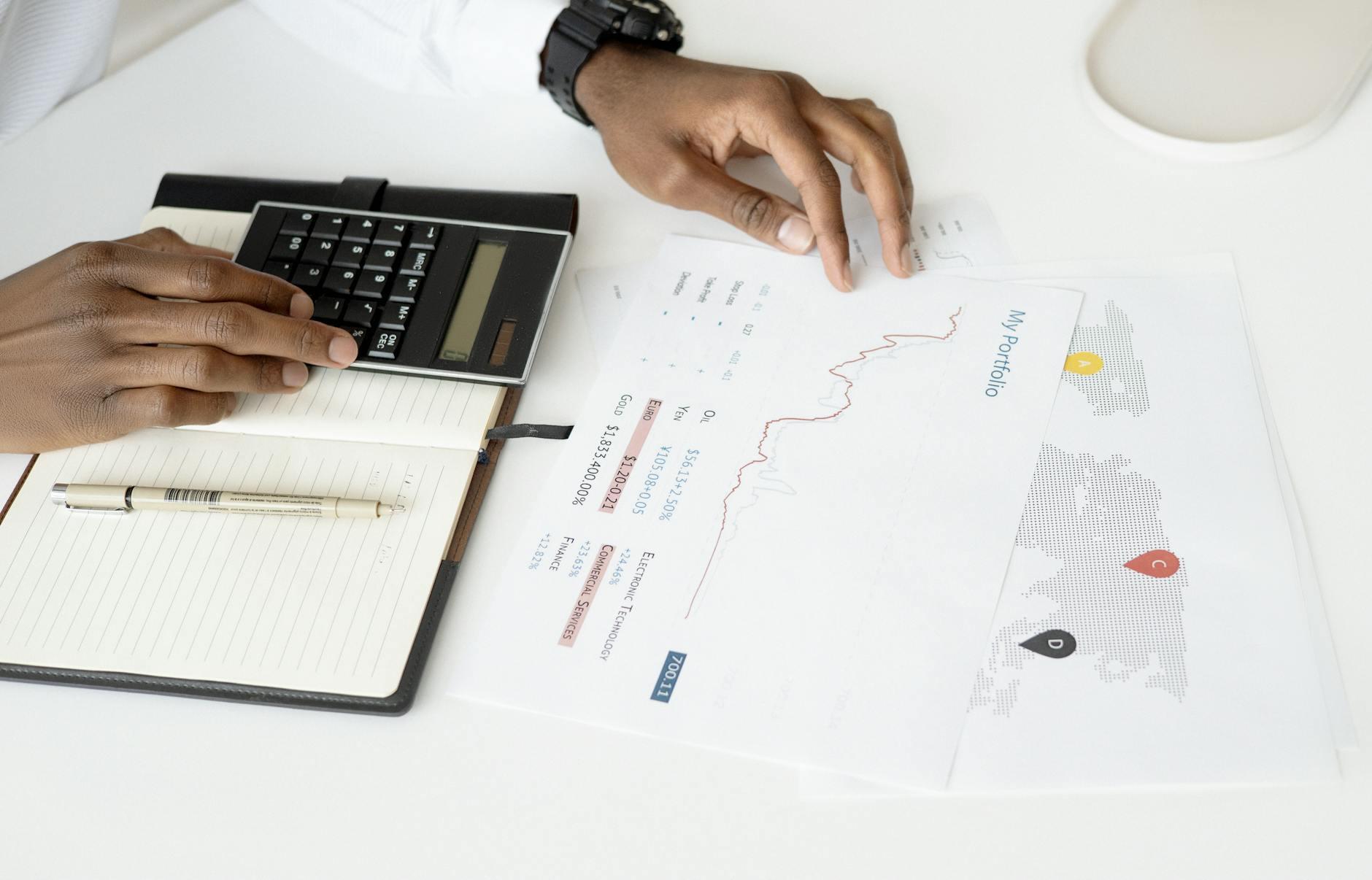
Shield Your Portfolio: Rebalance for a Slowdown
Are you feeling a little uneasy about your investment portfolio? Perhaps the headlines are filled with talk of a potential economic slowdown, rising interest rates, and increased market volatility. It’s a valid feeling. The investment landscape is shifting, and simply sticking with your initial strategy might not be enough to weather the storm. This isn’t about panic selling; it’s about proactive management. Rebalancing your portfolio isn't just a good idea during turbulent times – it’s a cornerstone of long-term investing success.
Understanding Portfolio Drift
Let’s start with the basics. When you initially build a portfolio, you make deliberate choices about asset allocation – the percentage of your money invested in different asset classes like stocks, bonds, and potentially real estate or commodities. For example, a common allocation for a long-term investor might be 60% stocks and 40% bonds. However, markets fluctuate. Stocks can rise dramatically, and bonds can soften as interest rates adjust. This natural movement of assets within your portfolio is known as “drift.”
Over time, even with a well-designed asset allocation, certain investments will inevitably outperform others. If your stock holdings have soared while your bond holdings have lagged, your portfolio will have drifted away from your original 60/40 target. This isn't necessarily a bad thing *immediately*, but it can create a risk. Overweighting stocks during a bull market can lead to overexposure when the market inevitably corrects. Conversely, being underweight in stocks during a prolonged bull run means you’re missing out on potential gains.
Why Rebalance Your Portfolio for a Continued Slowdown?
Rebalancing is the process of bringing your portfolio back to its original target asset allocation. It’s a disciplined approach that’s crucial for several reasons, especially when a slowdown is anticipated.
Risk Management: Drift often means you've taken on more risk than you initially intended. A slowdown can exacerbate this risk, as stocks tend to perform poorly during economic contractions. Rebalancing reduces your exposure to those overperforming assets and brings your portfolio back to a level that aligns with your risk tolerance.
Disciplined Investing: Rebalancing forces you to sell some assets that have done well and buy assets that have lagged. This prevents emotional decision-making – the urge to hold onto winning investments for too long or sell everything during a market downturn.
Potential for Higher Returns: While the primary goal is risk management, rebalancing can also potentially boost returns. When you buy undervalued assets (those that have fallen in price), you're buying them at a discount, setting you up for potential gains when the market recovers.
“The most important investment decision you make is choosing your asset allocation.”
How to Rebalance Your Portfolio
There are a few ways to approach rebalancing. The most common methods are:
- Calendar-Based Rebalancing: This involves rebalancing your portfolio on a fixed schedule, such as annually or quarterly. For example, you might decide to rebalance every six months.
- Threshold-Based Rebalancing: This method rebalances when an asset class drifts beyond a certain percentage of its target allocation. Let’s say your target for stocks is 60%. You might decide to rebalance when stocks reach 70% or fall to 50%.
Example: Let’s say you have a $100,000 portfolio with a 60/40 stock/bond allocation. After a year, stocks have grown to $70,000 (70% of the total) and bonds have declined to $30,000 (30% of the total). To rebalance, you would sell $10,000 worth of stocks and use the proceeds to buy $10,000 worth of bonds, bringing your portfolio back to its original allocation.
Important Note: Don't just sell assets; reinvest the proceeds. This ensures you're capitalizing on any potential growth in the newly purchased assets.
Considerations and Practical Tips
Rebalancing isn't a one-size-fits-all solution. Here are some key considerations:
- Tax Implications: Selling appreciated assets can trigger capital gains taxes. Consider using tax-advantaged accounts (like 401(k)s or IRAs) for rebalancing when possible. You can also strategically rebalance within taxable accounts to minimize tax liabilities.
- Transaction Costs: Frequent rebalancing can incur trading fees. Evaluate the cost of rebalancing against the potential benefits. Threshold-based rebalancing can help mitigate this.
- Don’t Over-Rebalance: Avoid making too many small adjustments. Large, infrequent rebalancing is generally more effective.
- Review Your Asset Allocation Regularly: Rebalancing shouldn’t just be a mechanical process. Take the time to revisit your overall investment goals and risk tolerance. Life events – like a job change or a child’s birth – can necessitate a change in your asset allocation.
Current Market Context: Given the anticipated slowdown, consider slightly reducing your equity exposure (stocks) and increasing your bond allocation. This doesn't mean drastically shifting your portfolio, but a shift from 60% stocks to 50% stocks, for instance, could provide a buffer against market volatility.
Key Takeaway
Rebalancing your portfolio is a fundamental investment strategy, particularly when anticipating economic headwinds. It’s about maintaining control, managing risk, and ensuring your portfolio remains aligned with your long-term goals. Don’t let market fluctuations dictate your decisions; instead, take a proactive, disciplined approach to investing.
Disclaimer: *This article is for informational purposes only and does not constitute financial advice. Consult with a qualified financial advisor before making any investment decisions.*
Keep Reading



Get Smarter About Money
Join thousands of investors getting daily insights delivered to their inbox.