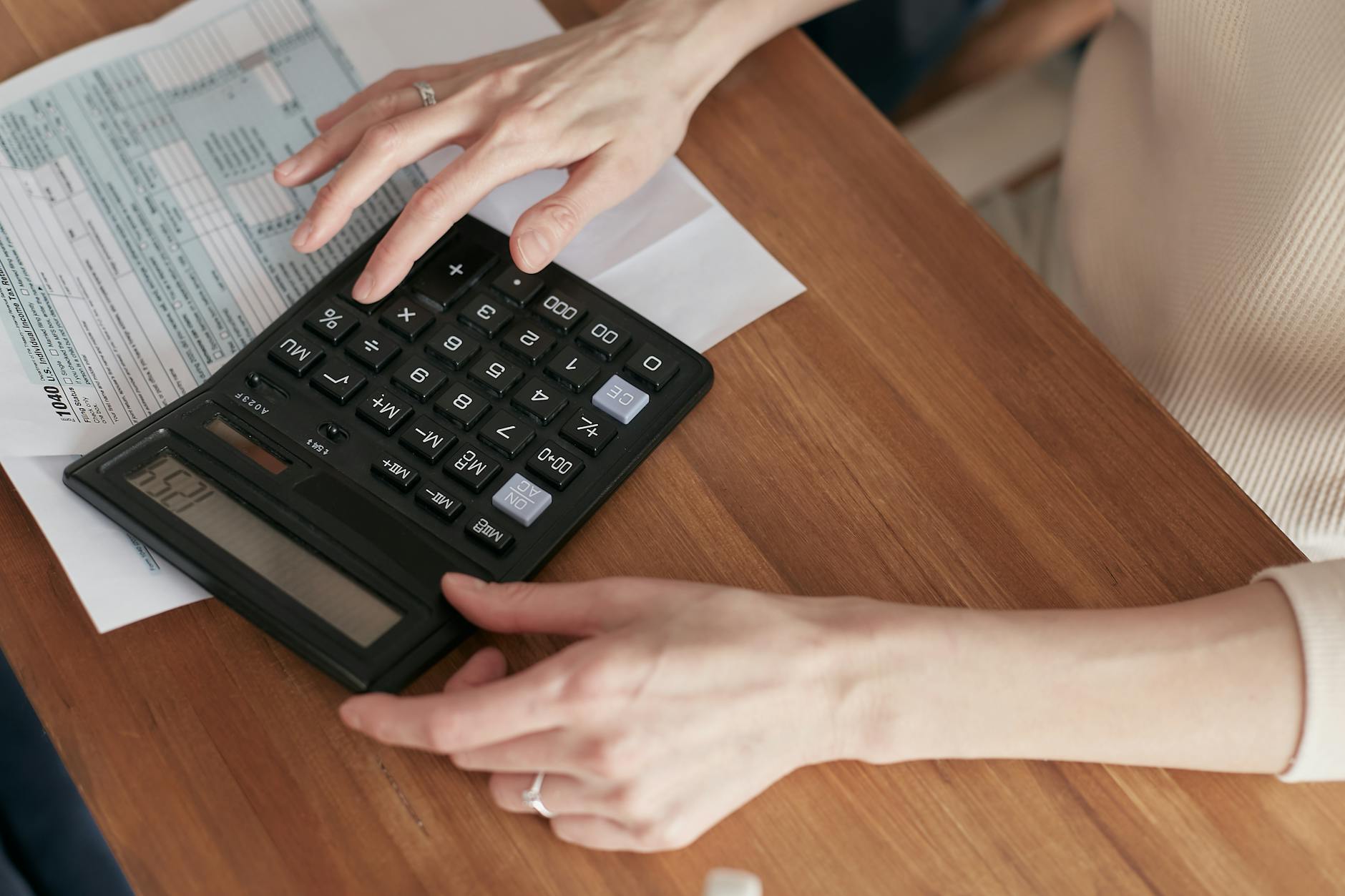
Shield Your Finances: Build a Recession-Ready Emergency Fund Now!
Imagine this: you’re happily contributing to your retirement account, tracking your stock picks with a sense of accomplishment, and generally feeling confident about your financial future. Then, suddenly, your company announces layoffs, your freelance work dries up, or unexpected medical bills pile on. Panic sets in – the realization that your carefully constructed investment portfolio isn't going to cover immediate expenses can be incredibly unsettling.
The Unstoppable Force of Recession
Recessions aren’t a distant threat; they’re a recurring part of the economic cycle. While predicting the precise timing and severity is impossible, history shows that downturns inevitably happen. And when they do, many people find themselves facing financial hardship due to job loss, reduced income, or increased expenses. The good news? You can proactively build a buffer – an emergency fund specifically designed to weather a recession’s storm. This isn’t about hoarding cash; it's about strategic financial preparedness.
Why an Emergency Fund is Crucial During Recession
Traditional investment strategies – focused on long-term growth through stocks and bonds – can take a significant hit during a recession. Stock markets often decline sharply, and even bond prices can fall. An emergency fund provides a critical safety net when your investments are struggling. It allows you to avoid taking drastic measures like selling assets at the bottom of the market (a classic mistake that locks in losses) or incurring high-interest debt to cover unexpected costs.
Furthermore, a recession can expose vulnerabilities in your budget. Small, unforeseen expenses – car repairs, appliance breakdowns, or even increased utility bills – can quickly become overwhelming if you don’t have readily available funds. Research consistently shows that roughly 36-40% of unexpected expenses are due to emergency situations
“A financial emergency is a sudden, unplanned event that throws your finances into disarray.” - Certified Financial Planner®, Karen Anderson. An emergency fund provides the stability to handle just such an event.
How Much Should You Save?
The amount you need in your recession-ready emergency fund isn’t a one-size-fits-all number. However, a widely recommended guideline is to save 3-6 months' worth of essential living expenses. Let’s break that down:
- Essential Living Expenses: This includes housing (rent or mortgage), utilities, food, transportation, insurance, and minimum debt payments.
- Calculating Your Target: For example, if your monthly essential expenses total $3,000, a 3-month fund would require $9,000; a 6-month fund would need $18,000.
It’s important to be realistic about what constitutes “essential.” While you might have subscriptions or discretionary spending, your emergency fund should cover the absolute necessities. As your income and expenses change, revisit and adjust your target accordingly.
Where To Keep Your Emergency Fund
The location of your emergency fund is just as important as the amount you save. You want a place that’s both safe and easily accessible, without incurring penalties for early withdrawals.
- High-Yield Savings Account (HYSA): This is generally considered the best option. HYSAs offer significantly higher interest rates than traditional savings accounts – currently, many are offering rates exceeding 4% APY.
- Money Market Accounts: Similar to HYSAs, but often with slightly more stringent requirements.
- Certificates of Deposit (CDs): CDs can be an option, but the penalty for early withdrawal is substantial – typically six months' interest. Reserve this as a backup only if you anticipate not needing the funds for several months.
Avoid keeping your emergency fund in investments like stocks or bonds, as these are volatile assets and you’ll likely face penalties for accessing them before their maturity dates.
Building Your Fund Now – Practical Steps
Creating a recession-ready emergency fund doesn't happen overnight. Here's how to build it systematically:
- Start Small: Even saving $50 or $100 per month can make a difference over time.
- Automate Savings: Set up automatic transfers from your checking account to your HYSA. This “pay yourself first” approach makes saving effortless.
- Cut Unnecessary Expenses: Identify areas where you can reduce spending – dining out, entertainment, subscriptions, etc. Even small savings add up. An example would be cutting back on a $50 per week coffee habit - that’s $2600 a year!
- Side Hustle (If Possible): Consider taking on a part-time job or freelance work to boost your income and accelerate your savings efforts.
- Windfall Money: If you receive a bonus, tax refund, or other unexpected income, prioritize adding it to your emergency fund.
Don't view this as a restrictive saving strategy; think of it as building a financial foundation for resilience.
Key Takeaway
Building a recession-ready emergency fund is an investment in your peace of mind. It’s not about expecting a recession, but preparing for the unexpected – allowing you to navigate challenging times with confidence and protect your financial future. Starting now, even with small steps, will significantly reduce anxiety and empower you to weather any economic storm.
Keep Reading


Get Smarter About Money
Join thousands of investors getting daily insights delivered to their inbox.