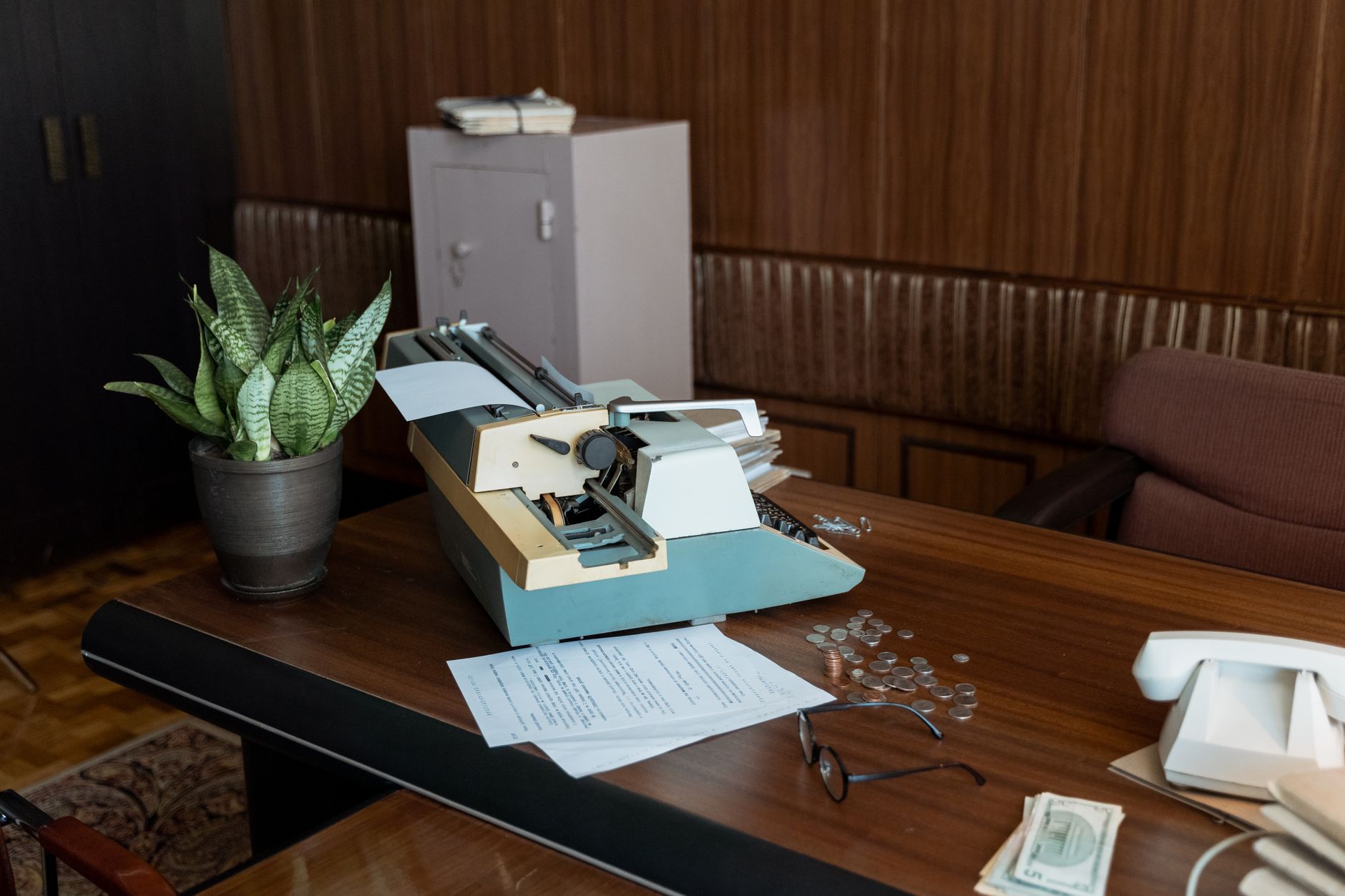
Transform Your Junk: Vintage Furniture Profits!
Have you ever walked into a trendy boutique and seen a stunning mid-century modern chair or a beautifully restored antique dresser for a surprisingly low price? Chances are, that item wasn’t manufactured in a factory; it was lovingly rescued from someone's attic, garage, or curb. Turning old furniture into high-demand vintage finds isn't just a nostalgic hobby – it can be a shrewd investment strategy with the potential for significant returns. SmartInvestDaily.com is here to break down how you can tap into this growing market and potentially build your portfolio through the art of restoration and appreciation.
The Rise of Vintage Furniture Investment
For years, furniture was largely viewed as a purely functional item – something to fill a room. However, over the past decade, particularly since 2015, we’ve seen a dramatic shift in how people perceive and value vintage and antique furniture. Several factors have contributed to this trend:
- Increased Interest in Sustainability: Consumers are increasingly conscious of their environmental impact and seeking out durable, well-made items that last – a key characteristic of older furniture.
- The Rise of “Shabby Chic” & Retro Aesthetics: Trends in interior design heavily favor distressed finishes, warm tones, and classic shapes from the mid-20th century (think 1940s-1960s).
- Limited Production of Quality Pieces: Mass-produced furniture often lacks the craftsmanship and materials used in older pieces. This scarcity drives up demand, especially for well-maintained or restored items.
- Investment Appeal: Furniture, particularly iconic designs from renowned makers, can appreciate significantly over time – sometimes mirroring the performance of stocks, albeit with a longer timeframe. According to a report by Sotheby’s, furniture auctions have seen average price increases of around 18% annually in recent years (though this fluctuates).
It's important to understand that this isn't about flipping furniture for a quick profit. While occasional small profits are possible, the true value lies in acquiring pieces with potential and strategically restoring them to increase their market value.
Assessing Potential Vintage Finds
Not all old furniture is created equal. Here’s how to identify pieces that have the potential to become high-demand vintage finds:
- Research Design Styles: Familiarize yourself with popular styles from different eras – Mid-Century Modern (Eames, Knoll), Art Deco (1920s-30s), Victorian (1837-1901), and Streamline Moderne (1930s) are consistently sought after. Knowing the hallmarks of each style will help you identify authentic pieces.
- Material Matters: Solid wood furniture (mahogany, walnut, oak) generally holds its value better than particleboard or veneer. Brass hardware and original upholstery also add significant value.
- Brand Recognition is Key: Pieces from well-known manufacturers like Drexel Heritage, Baker, Stickley, and Herman Miller are highly desirable. Researching the manufacturer’s history can give you an edge.
- Condition is Crucial: A piece in excellent condition will always fetch a higher price than one needing extensive repair. However, don't automatically dismiss pieces with minor imperfections – skillful restoration can often transform a tired piece into a valuable collectible.
- Where to Find Treasures: Estate sales, antique shops, flea markets, online marketplaces (like eBay and Etsy), and even curbside pickups are excellent sources for vintage furniture.
“Value isn’t always about the original price of an item,” says Emily Carter, a leading furniture appraiser. “It's about what someone is willing to pay based on its perceived value – which is heavily influenced by style, condition, and rarity.”
Restoration and Renovation: Adding Value
This is where your investment truly takes shape. Simple cleaning or minor repairs won't dramatically increase the value; strategic restoration will.
- Start with Research: Before you begin, research the original finish and construction of the piece. Photos and historical records can be invaluable.
- Prioritize Structural Repairs: Address any structural issues – loose joints, wobbly legs, or damaged frames – first. This is often the most important aspect of restoration.
- Refinishing: Refinishing involves stripping the old finish (typically varnish or lacquer) and applying a new one. Choose a finish that's appropriate for the style of the piece – oil-based finishes are common for older furniture, while water-based finishes are often used on modern pieces.
- Upholstery: Replacing worn upholstery is crucial. Research original fabric patterns and materials to ensure accuracy. Consider using high-quality fabrics that will stand the test of time. A reupholstered chair can add 50% or more to the value of a piece.
- Hardware Replacement: Matching original hardware (knobs, pulls, hinges) can significantly enhance the appearance of a restored piece. Sourcing authentic replacements can be challenging but rewarding.
It's important to note that over-restoration can actually *decrease* a piece’s value. Authenticity is key – aim for respectful restoration rather than radical transformation.
Selling Your Vintage Find
Once you’ve completed the restoration, it's time to sell your investment. Here are some options:
- Online Marketplaces: Etsy and eBay are excellent platforms for reaching a global audience of vintage enthusiasts.
- Local Antique Shops & Galleries:** Many shops will offer consignment arrangements.
- Auction Houses:** For truly exceptional pieces, consider selling through an auction house specializing in furniture or antiques.
Pricing your piece correctly is crucial. Research comparable sales to determine a fair market value. High-quality photos and detailed descriptions are essential for online listings.
Key Takeaway: Investing in vintage furniture isn't just about acquiring beautiful objects; it’s about understanding design trends, developing restoration skills, and recognizing the potential for long-term appreciation. With careful research, strategic restoration, and a little patience, you can turn old furniture into a surprisingly profitable investment – all while adding character and charm to your home.
Keep Reading


Get Smarter About Money
Join thousands of investors getting daily insights delivered to their inbox.