Personal Finance
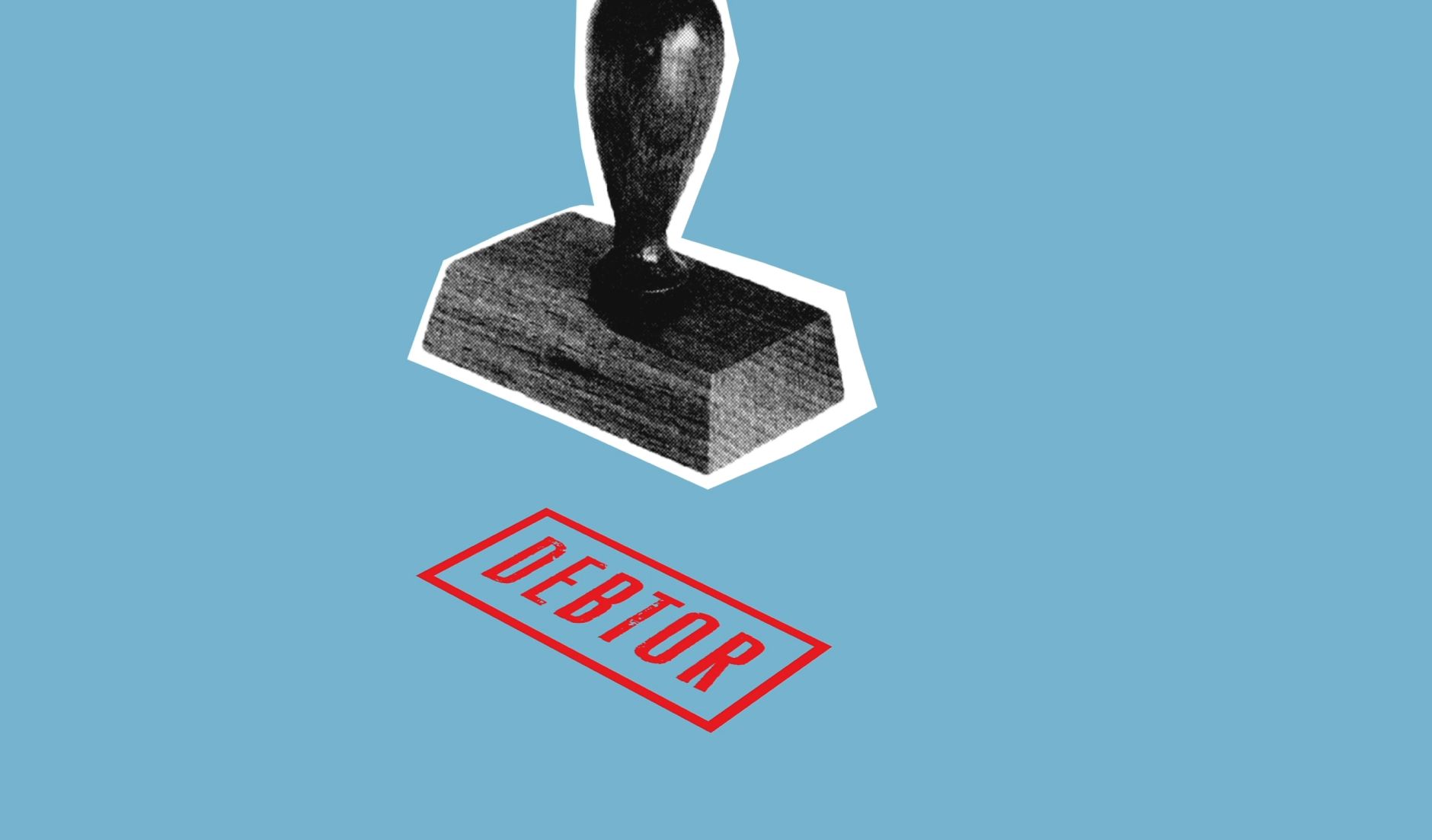
Dominate Debt: Reassess & Rise Above Rising Rates
The Rising Rate Phenomenon
Let’s be clear: interest rates *are* rising, and they're likely to continue doing so over the next several months. The Federal Reserve has been aggressively raising rates in an attempt to combat inflation, which remains stubbornly high at 4.9% (as of November 2nd, 2023). This increase directly impacts everything from mortgages and auto loans to credit card balances. The impact isn’t just felt by consumers; it also influences corporate borrowing costs, potentially impacting economic growth. The key question for investors is: how do rising rates affect your debt strategy? Historically, low interest rates encouraged a “borrow and invest” approach. People took out variable-rate loans (like HELOCs – Home Equity Lines of Credit) to fund investments in assets like stocks or real estate, hoping to capitalize on the cheap money. However, with rates climbing, this model becomes increasingly risky. The cost of borrowing is increasing, potentially eroding investment returns and making debt servicing more burdensome. According to Freddie Mac data, the average 30-year fixed mortgage rate was hovering around 7.6% as of late October 2023 – a significant jump from the 3.1% seen just two years prior.Understanding Your Debt
Before making any changes, you need a clear picture of your debt situation. It’s not enough to simply say "I have debt." You need specifics: * **List All Debts:** Create a comprehensive list of all outstanding debts – credit cards, student loans, auto loans, personal loans, mortgages, HELOCs, etc. * **Interest Rates:** Note the interest rate on each debt. This is *crucial*. High-interest debt is your primary focus for any adjustments. * **Loan Terms:** Understand the remaining term of each loan – how many years are left to pay it off? * **Minimum Payments:** Calculate your minimum monthly payments for each debt. Let’s say you have a credit card balance of $5,000 at 20% APR, a student loan at 6% APR and a mortgage at 6.5% APR. Clearly, the credit card needs immediate attention.Strategies for Rising Rates
Now that you understand your debt, here are several strategies to consider: * **Prioritize High-Interest Debt:** This is almost universally the best strategy. Focus on paying down debts with the highest interest rates first. The 20% APR credit card should be your top priority. Consider a balance transfer to a lower-interest card (though watch out for transfer fees). * **Refinance High-Interest Loans:** Explore refinancing options for student loans or personal loans, especially if you can secure a lower interest rate. Currently, rates on private student loans are averaging around 8%, so even a 1% reduction could save you hundreds of dollars over the life of the loan. * **Consider Fixed-Rate Mortgages (if applicable):** If you’re considering purchasing a home or refinancing your existing mortgage, opting for a fixed-rate mortgage can provide stability and protect you from future rate increases. While rates are higher now than they were recently, locking in a rate offers peace of mind. * **Reduce Your Debt Burden:** Look for ways to increase your income (side hustle, overtime) or cut expenses to free up more cash flow for debt repayment. Even small changes – like reducing your grocery bill by $100 per month – can make a significant difference over time. * **Don’t Take on New High-Interest Debt:** This seems obvious, but it's critical. Avoid using credit cards for discretionary spending and avoid taking out new loans unless absolutely necessary.Adjusting Your Investment Strategy
Rising rates aren't just about debt; they also impact your investments. Here’s how to adapt: * **Shorten Bond Duration:** As interest rates rise, bond prices tend to fall. Consider reducing the duration of your fixed-income portfolio – meaning investing in bonds with shorter maturities. This reduces your sensitivity to future rate increases. * **Rebalance Your Portfolio:** Rising rates can shift asset allocations. You may need to rebalance your portfolio to maintain your desired risk level. This often involves selling some assets that have performed well (like growth stocks) and buying more defensive investments, such as bonds or dividend-paying stocks. * **Focus on Value Stocks:** Companies with strong balance sheets and stable earnings – often referred to as "value stocks" – tend to hold up better during periods of economic uncertainty.“The best time to plant a tree was 20 years ago. The second best time is now.” – Chinese Proverb (This applies perfectly here - it’s never too late to address your financial situation).
Conclusion
Rising interest rates represent a significant shift in the financial landscape. It's an opportunity, not a disaster. By proactively reassessing your debt strategy and adjusting your investment approach, you can navigate these challenging times and position yourself for long-term success. Don’t wait until rates climb even higher – take action today to regain control of your finances.Key Takeaway: Don't let rising interest rates dictate your financial future. A thorough review of your debt, coupled with a strategic investment approach, will empower you to thrive in this new economic environment.
Keep Reading


Get Smarter About Money
Join thousands of investors getting daily insights delivered to their inbox.