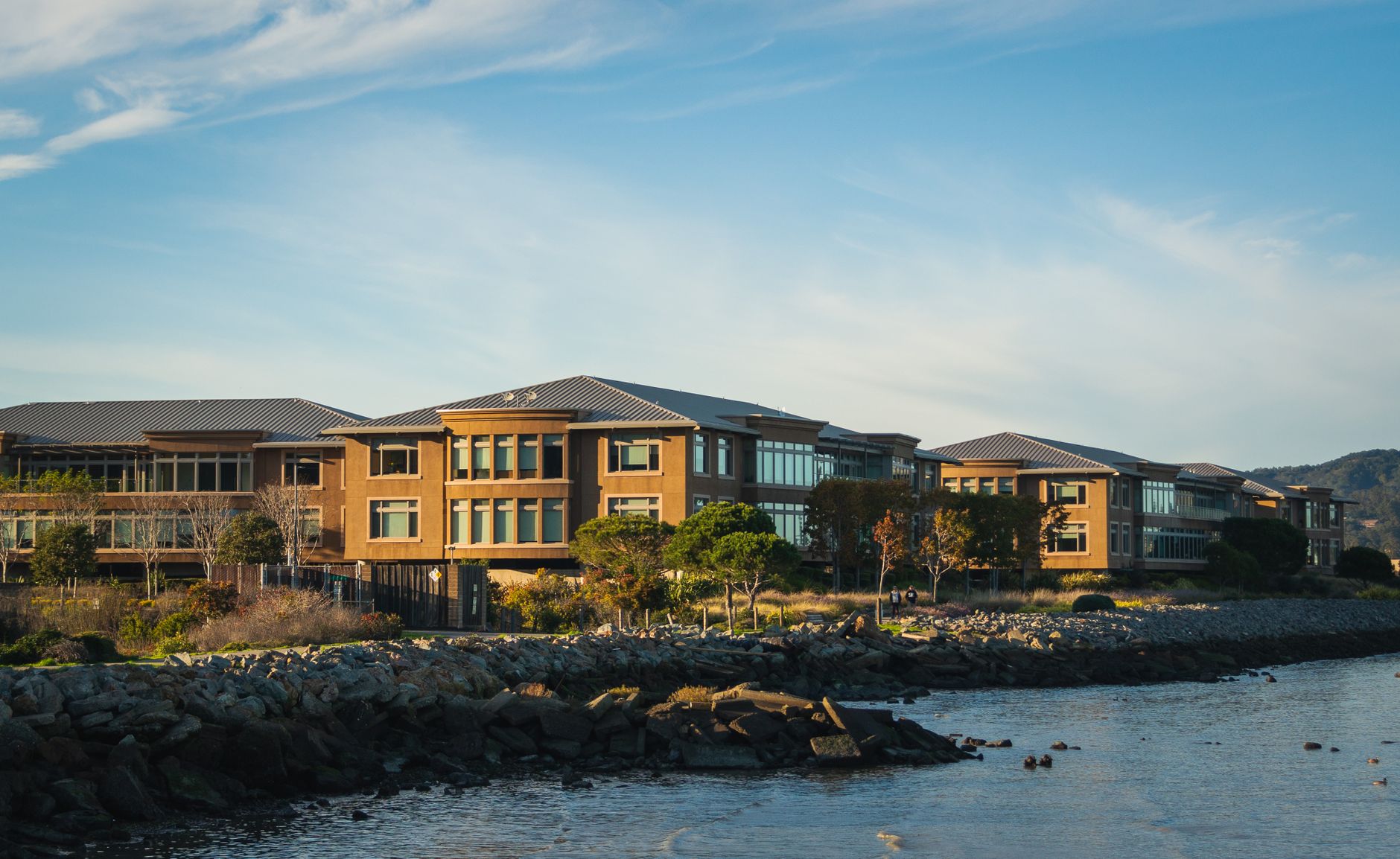
Unlock Coastal Wealth: Waterfront Investment Secrets Revealed
Imagine waking up to the sound of waves gently lapping against the shore, a stunning ocean view stretching as far as the eye can see. For many, owning waterfront property isn't just about real estate; it’s about acquiring a lifestyle – one filled with tranquility, recreation, and potentially significant investment returns. But before you start browsing beachfront listings, understanding the unique complexities of investing in waterfront property is absolutely crucial. It’s not simply buying a house by the sea; it demands careful analysis and a realistic assessment of potential rewards and risks.
Understanding the Unique Appeal – And Challenges – of Waterfront Properties
Waterfront properties consistently command premium prices, often significantly higher than comparable inland homes. This isn't just hype; there’s a fundamental reason behind this demand. People are willing to pay more for access to water activities like boating, swimming, fishing, and simply enjoying the aesthetic beauty of the coastline. Coastal cities also tend to boast strong tourism industries, which can drive rental income potential – particularly in areas popular with vacationers.
However, that premium comes with a considerable set of challenges. Waterfront properties are inherently more susceptible to environmental risks like flooding, erosion, and storm surges. Insurance costs are typically much higher than for inland homes, often exceeding 20% or even 30% of the property's value, depending on the location’s vulnerability and coverage specifics. Furthermore, regulations regarding development and construction near coastal areas – known as “setbacks” – can severely limit what you can do with your property, impacting renovation potential and future development opportunities.
Key Factors to Analyze Before Investing
Let's break down the critical factors you need to consider when evaluating a waterfront investment:
- Location, Location, Location (and its Risks): This adage is amplified tenfold for waterfront properties. Research coastal cities known for their stable economies and strong tourism sectors – think Miami, Charleston, San Diego, or parts of the Outer Banks in North Carolina. But critically assess *specific* locations within those cities. Are they prone to flooding? Is there evidence of erosion along the shoreline? Has the coastline been actively managed (e.g., with seawalls)? Understanding local flood zones – often determined by FEMA – is paramount.
- Property Type & Condition: A newly built, well-maintained waterfront home will naturally command a higher price than a fixer-upper. However, older homes may offer more opportunities for value-add through renovations if done strategically and in compliance with local regulations. Pay particular attention to the condition of the foundation, seawalls, docks, and any marine systems (pumps, generators). A thorough inspection by a qualified marine engineer is *essential*.
- Zoning & Regulations: This is arguably the most important factor. Zoning laws dictate what you can build on your property – including building height restrictions, setback requirements, and permitted uses (e.g., residential, commercial, or mixed-use). Investigate local coastal management authorities and understand their regulations regarding construction, shoreline protection, and environmental impact assessments. A lawyer specializing in coastal real estate is a wise investment here.
- Insurance Costs: Get multiple quotes from different insurance providers *before* making an offer. Flood insurance is almost always required for waterfront properties, and premiums can vary dramatically based on your property’s elevation, proximity to the water, and the storm surge risk associated with the area. Consider purchasing a comprehensive windstorm policy as well.
- Rental Potential (If Applicable): If you plan to rent out the property, research local rental demand and vacancy rates. Vacation rentals often generate higher returns but are subject to stricter regulations in many coastal areas. Analyze comparable rental properties to estimate potential income – typically aiming for a gross rental yield of 6-10% is a reasonable benchmark (though this will vary greatly by location).
Financial Considerations & Return on Investment
Don’t get swept away by the emotional appeal of waterfront living and overlook the financial realities. Here are some key metrics to assess:
"Real estate investments aren't about getting rich quick," says Mark Johnson, a senior analyst at SmartInvestDaily.com. "It's about consistent, long-term growth. With waterfront properties, you need a much more conservative return expectation than with, say, a standard suburban home."
- Capitalization Rate (Cap Rate): This measures the potential rate of return on an investment property based on its net operating income (NOI) and purchase price. For waterfront properties, cap rates tend to be lower than those for inland properties due to higher expenses and risks.
- Cash Flow Analysis: Calculate your projected monthly cash flow – taking into account mortgage payments, insurance, taxes, maintenance costs, and potential rental income.
- Appreciation Potential: While waterfront property generally appreciates over the long term, it's crucial to understand that appreciation rates may be slower than those in inland areas due to limited development opportunities and ongoing environmental risks. A conservative estimate of 3-5% annual appreciation is often realistic – but remember this is an *estimate*.
Strategies for Success
Here are some strategies to maximize your chances of success when investing in waterfront property:
- Due Diligence, Due Diligence, Due Diligence: We can’t stress this enough. Conduct thorough research on the location, property history, and local regulations.
- Work with Experienced Professionals: Assemble a team of qualified professionals – a real estate agent specializing in coastal properties, a marine engineer for inspections, an attorney specializing in coastal real estate law, and a financial advisor who understands the unique risks associated with this type of investment.
- Consider Long-Term Holding: Waterfront investments are often best suited for long-term investors seeking stable income and potential appreciation over several years – ideally 10+ years.
- Explore Alternative Financing Options: Traditional mortgages may be more difficult to obtain for waterfront properties. Explore options like private lenders or portfolio loans, but carefully evaluate the associated interest rates and fees.
Investing in waterfront property can be a rewarding experience, offering access to stunning scenery, recreational opportunities, and potentially significant returns. However, it's essential to approach this investment with caution, thorough research, and a realistic understanding of the unique challenges involved. **Ultimately, success hinges on diligent preparation and a long-term perspective.**
Key Takeaway: Waterfront property investments require significantly more due diligence than standard residential real estate. Focus on location, understand regulatory hurdles, secure comprehensive insurance coverage, and be prepared for potentially higher costs – but with careful planning, you can unlock the potential benefits of owning a piece of paradise by the sea.
Keep Reading



Get Smarter About Money
Join thousands of investors getting daily insights delivered to their inbox.