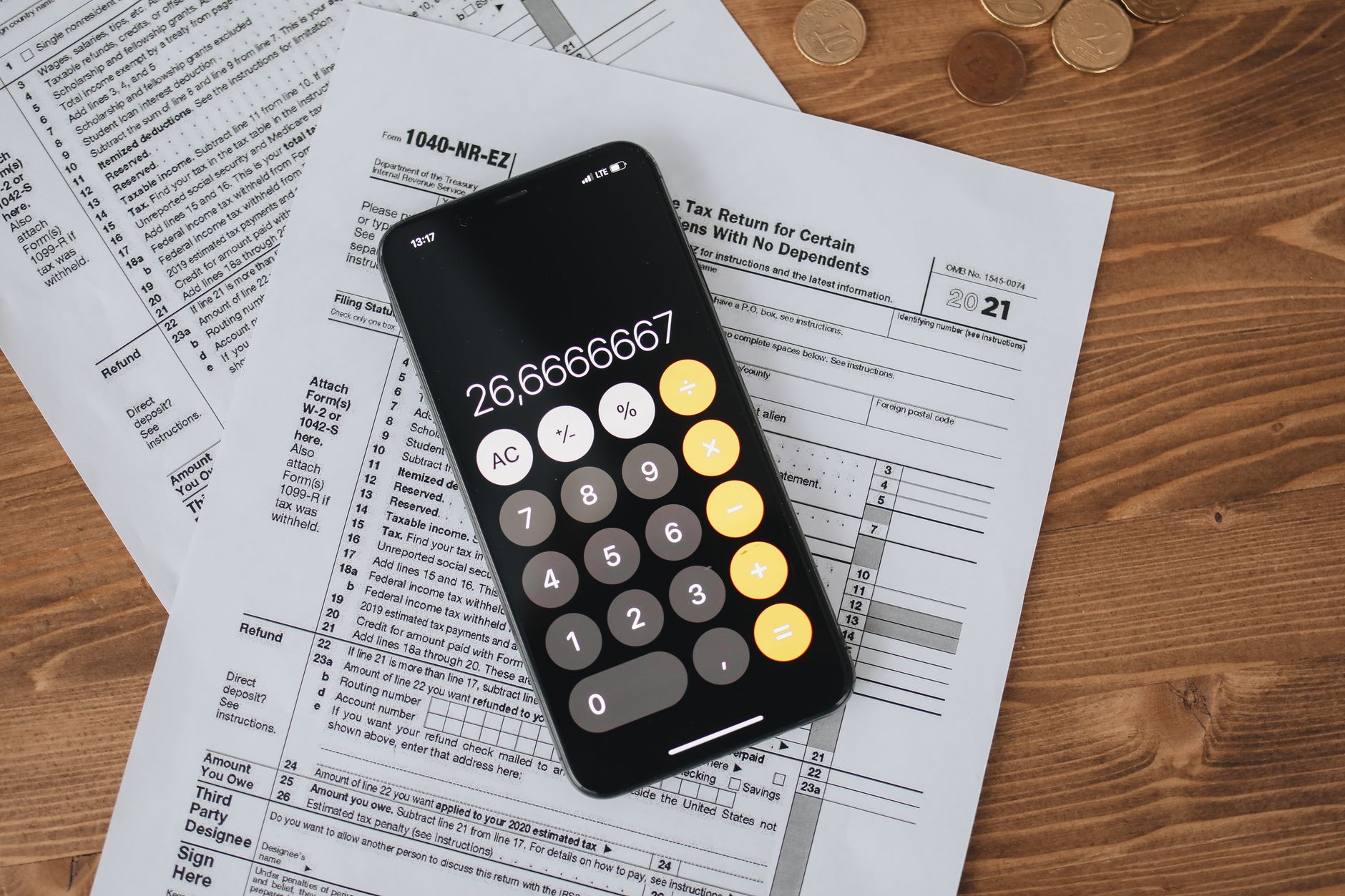
Maximize Your Taxes for Side Hustles in 2026: Strategies Revealed
Maximizing Your Side Hustle's Tax Efficiency in 2026
As a side hustler, you're already acing your entrepreneurial spirit by turning spare time into potential income. But did you know that with the right strategies, you can maximize both your earnings and minimize what goes to taxes? Let’s dive into some practical tips for enhancing your tax efficiency in 2026.
Understanding Tax Implications of Side Hustles
Taking a side gig seriously means understanding its tax ramifications. For instance, if you earn $5,000 from freelance work, a significant portion—often around 18% to 37%, depending on your income and deductions—will go towards federal taxes. That’s a substantial amount! By planning strategically, you can reduce this burden.
Separate Your Business and Personal Finances
A key step in tax efficiency is keeping your side hustle separate from your personal finances. This means setting up a dedicated bank account for business transactions and perhaps even opening an LLC or S-Corp if feasible. Not only does this help with organization, but it also allows you to write off expenses that would otherwise be overlooked.
Keep Detailed Records
Start by keeping meticulous records of all your income and expenses. This includes receipts for office supplies, software subscriptions, travel costs, and any other business-related spending. The IRS likes detailed documentation; having thorough records can help you claim legitimate deductions and avoid penalties.
Deductible Expenses to Consider
- Home Office Deduction: If you work from home, you may be able to claim a portion of your rent or mortgage, utilities, internet, and cleaning supplies. The percentage varies depending on how much space is used for business.
- Travel Expenses: If part of your side hustle involves travel (even if it’s just to meet clients), keep receipts for airfare, car rental, meals, and lodging.
- Professional Development: Workshops, courses, or subscriptions related to your business can be written off. Consider keeping a spreadsheet to track these investments over time.
Utilize Retirement Accounts Wisely
If you’re in the fortunate position of earning enough from your side hustle, consider contributing to retirement accounts like an IRA or SEP-IRA. Contributions reduce your taxable income now and provide tax-free growth later. For example, if you contribute $5,000 to a SEP-IRA, that amount is subtracted from your gross income.
Consult with a Tax Professional
Avoid the pitfalls of DIY tax preparation by consulting with an accountant or tax advisor who specializes in small businesses. They can help ensure you’re taking advantage of all allowable deductions and exemptions. Even if it costs $500-$1,000 annually, this investment could save you thousands in unnecessary taxes.
Stay Informed About Changes
The tax code changes frequently, especially with new regulations introduced every year. Stay informed by following updates from the IRS or trusted financial news sites. For instance, if the Tax Cuts and Jobs Act is extended or modified, these changes could impact your side hustle’s profitability.
Key Takeaway
"Maximizing tax efficiency isn't just about saving money; it's about making strategic decisions that benefit both your current and future financial health. By separating personal from business finances, keeping detailed records, utilizing deductions, and consulting with professionals, you can navigate the complex world of taxes as a side hustler."
Remember, every dollar saved in taxes is one more towards growing your successful side hustle into a full-time career or simply ensuring that your hard-earned income stretches further. Happy tax planning!
Get Smarter About Money
Join thousands of investors getting daily insights delivered to their inbox.